Who Am I?
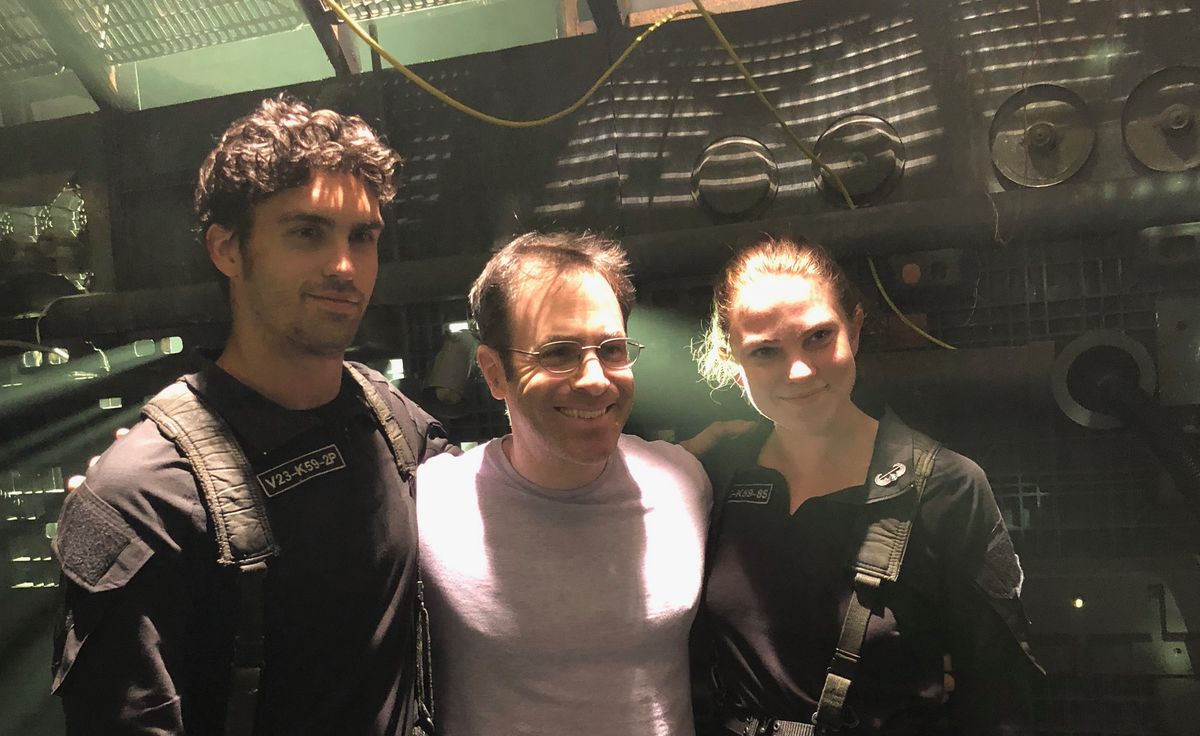
I am Lukas Kendall, a writer, producer and filmmaker, and also the publisher of FILM SCORE MONTHLY, a magazine I founded as a high school student that became a well-known CD label, website and community.
But really—I am a fan. I am a passionate admirer of what we’re calling PROTOCALIA: elevated genre storytelling about systems and institutions, with a humanist point of view.
I grew up on Martha’s Vineyard, where my dad was a doctor, but being one of the only Jewish families, I never quite felt like I belonged. I sought refuge in Star Wars, Star Trek, Marvel comics and other fantastic stories.
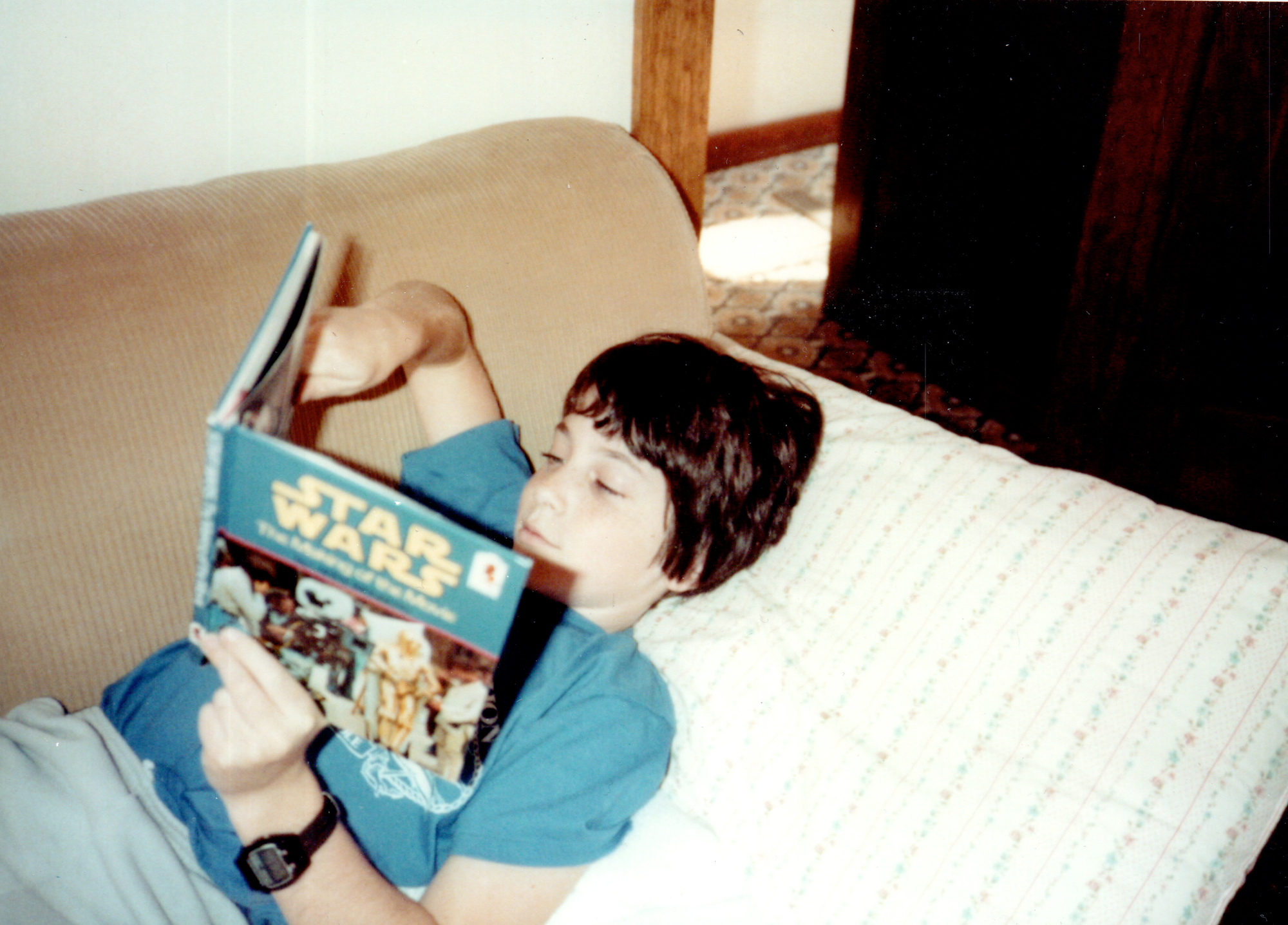
But even then, I found myself more captivated by the human drama than the spectacle. One of my earliest memories is a scene in the original Star Trek, “Bread and Circuses,” when McCoy confronts Spock: “You know why you’re not afraid to die, Spock? You’re more afraid of living. Each day you stay alive is just one more day you might slip, and let your human half peek out.”
I was like, WHOA. As much as I loved the spaceships and gadgets and adventure—this was cool. This meant something. It made me think and feel at the same time.
That is PROTOCALIA, to me. Adventure and entertainment? Absolutely. But always in service of the human experience.
I paid special attention to the movies and shows that seemed exceptionally good. The Empire Strikes Back and Star Trek II: The Wrath of Khan were the most mature versions of their franchises. Blade Runner was mind-blowing. Alien and RoboCop? Yes please!
Like a lot of kids I enjoyed drawing my favorite spaceships and characters, and it led to creative pursuits: drawing my own comics, making home movies on a primitive camcorder, and contributing to Star Trek fanzines (our version of the Internet).
I seldom wrote fiction, but my dad once sent a school assignment to William Styron (one of the perks of living on the Vineyard). Apparently Styron called my dad fairly promptly to say something like, “Hey, the kid’s got talent,” and encourage me.
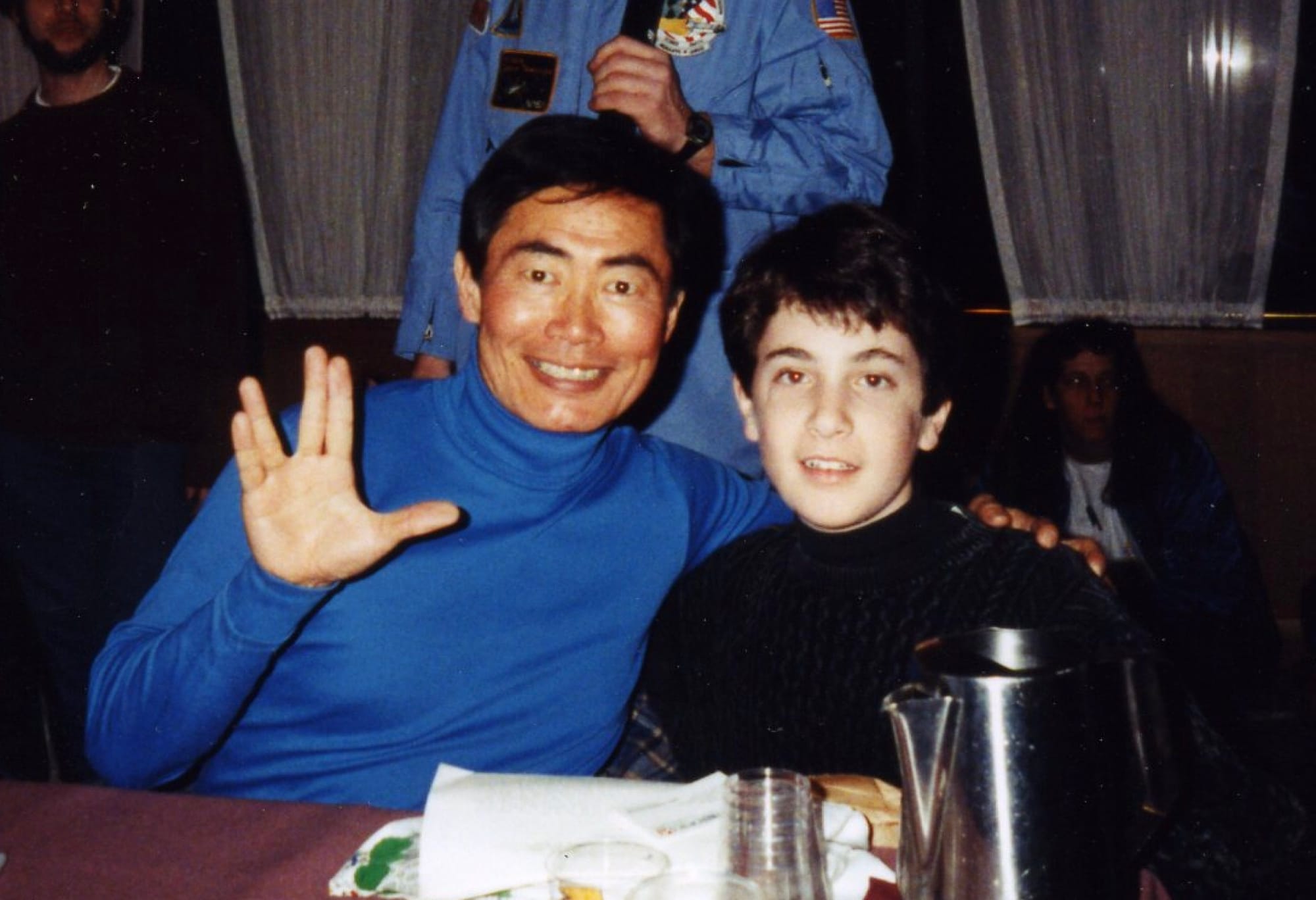
But the next creative writing I did was in high school—when I was among the amateur Trekkies to submit scripts to Star Trek: The Next Generation. (Showrunner Michael Piller had a rare “open-door policy,” and discovered significant talents.) My lame scripts were rightfully rejected, but by the end of the series, I had a short list of ideas that paralleled real episodes.
At Amherst College in the 1990s, I discovered 1970s paranoid cinema: Klute, The Conversation, The Parallax View, All the President’s Men. I saw Chinatown and was floored by the Swiss-watch perfection of the plot. I took theory classes to learn the academic take on my favorite franchises.
I shockingly spent most of the ’90s without a television set. When I got one again, it was the “Golden Age of Television”: The Sopranos, The Wire, Mad Men and Breaking Bad were staggering longform achievements. They weren’t sci-fi but had similar fascinations: characters trapped in systems, trying to figure out who they are and want to be.
After college, I moved to Los Angeles and expanded my Film Score Monthly magazine into a CD label where I produced hundreds of albums of classic film and television scores. It was a great experience, but I always knew I wanted to make films, and teaching myself how to write them was the most obvious way in.
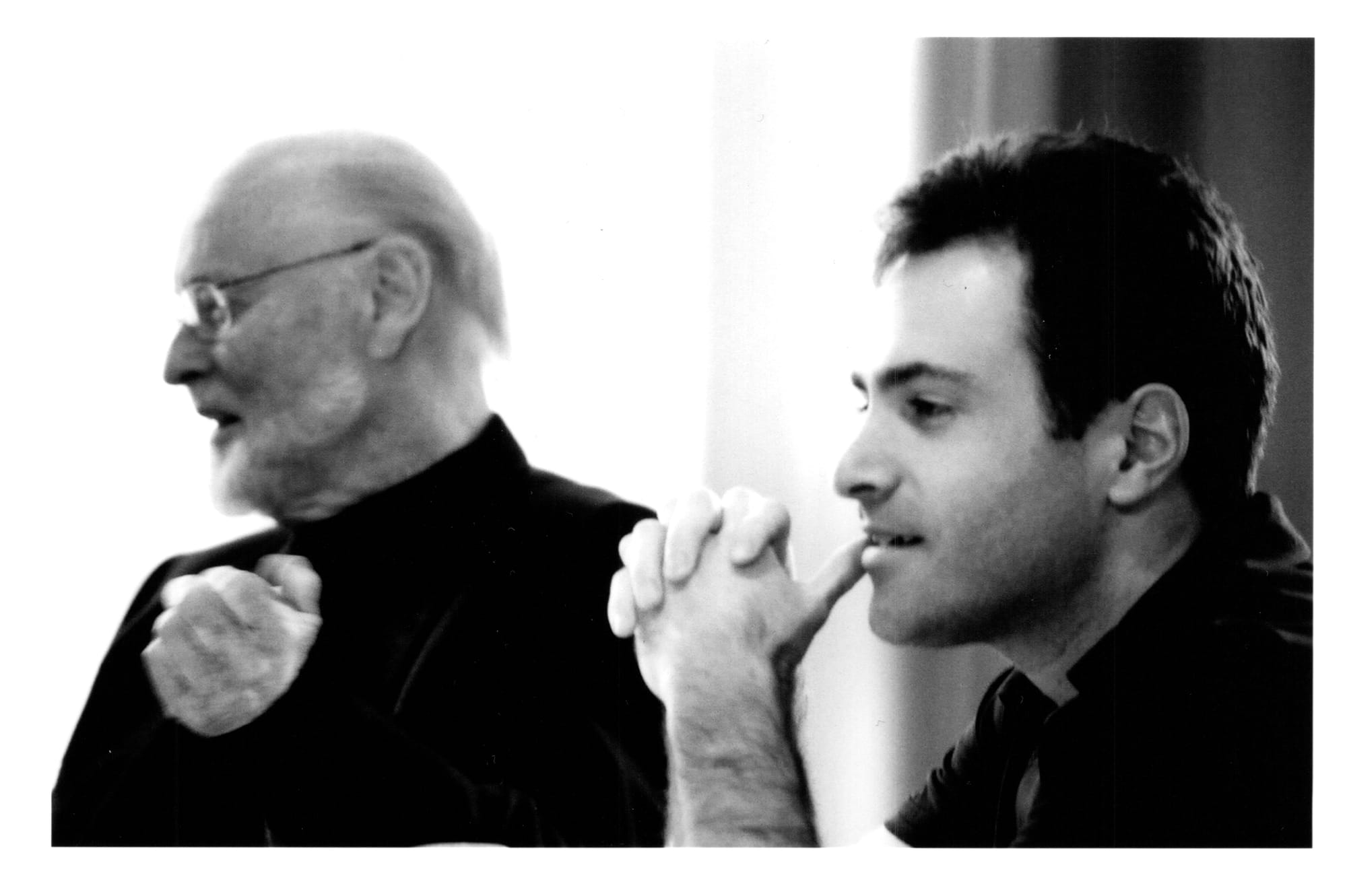
I was fortunate to befriend Robert Nathan, a brilliant novelist, screenwriter and showrunner best known for peak TV like Law & Order and ER. Robert and I made an insane microbudget found-footage thriller called Lucky Bastard—about a porn shoot gone horribly wrong. The salacious content limited our distribution, but the movie developed a cult following.
Robert and I also wrote a sci-fi TV pilot called Game which was in a development deal with STX Television. It did not go forward—we had independently, and completely coincidentally, written the same premise as Free Guy—but it landed me representation.
When Robert returned to his own pursuits, I learned that none of our work together would help me as a solo creator—I needed a script without two names on it.
Figuring out screenwriting on my own is too long, frustrating and recent a journey to recount—but suffice it to say, making a commercial, shootable script of anything has been one of the most difficult and humbling experiences of my life.
Simply to come up with a unique, marketable concept is an immense accomplishment. To write the correct marriage of protagonist, antagonist, worldbuilding, plot, setpieces and more? That takes years of development, even for pros. For an amateur, to figure out the story at the same time as your craft—you don’t know what you don’t know.
But one thing that helped immeasurably was an epiphany as to the essential grammar of a screenplay. I thought it was events and incident: plot beats, dialogue, action. Which, of course, in a literal sense it is. But it’s not really the answer. The answer is truthful human behavior.
Once I realized you can make up anything under the sun, but the human behavior always has to feel real—and the story should be organically constructed out of that behavior—then I understood what I was doing. And I was better able to crack the stories.
I had written a low-budget sci-fi script that I wanted to direct. A producer was interested in it, but there was no way I would be allowed to direct with no experience. So I turned to my film score audience to crowdfund a short film and proof of concept, which we shot in 2018.
SKY FIGHTER debuted on the DUST channel, from Gunpowder & Sky, and has garnered over three million views across platforms—not easy for a short film. But even more than the viewer count, I’m proud of the “watch graph.” (You can find it on the bottom of most YouTube videos: The cat does a funny thing, and the line spikes from people skipping to the good part.)
Most videos have peaks and valleys, but if you check out Sky Fighter, the watch line is flat. I asked DUST, hey, what’s that about? They said, “Oh, that means they’re watching straight through, they’re not skipping parts.” I am truly proud of our cast and crew for that achievement.
We were packaging Sky Fighter, the feature film, in 2020, when Covid hit—followed by strikes and a brutal collapse of the international “pre-sales” market. I would love to make the feature, now titled Zenith (there is a new Star Wars film called Starfighter), but it has a large VFX component, and may require stars too big to work for a first-time feature director.
The truth is I don’t think of myself as a writer. I like to make things. I write so I have something to make. I direct so it comes out the way I want. Films and television series are my ambition, but it’s also fun to make a book, or a website, or write an essay that people find interesting, or interview somebody cool.
What I really love is watching something that speaks to me and just being in awe of how good it is. I watch to the last frames of the end credits with a heart full of gratitude. And I feel inspired to go out and try to make something nearly as good.
It’s not just the achievement, or the entertainment. It’s that it makes me feel like I am not alone. Somebody made this (and lots of somebodies) who care about what I do: Purpose. Morality. Humanity.
My favorite works do not lie about the world. They do not offer pat endings, violence as a solution or false hope. There is warmth, but often bittersweet. Violence is scary. Actions have consequences.
This is what we’re calling PROTOCALIA. It is entertaining, imaginative, meaningful—and full of truth.
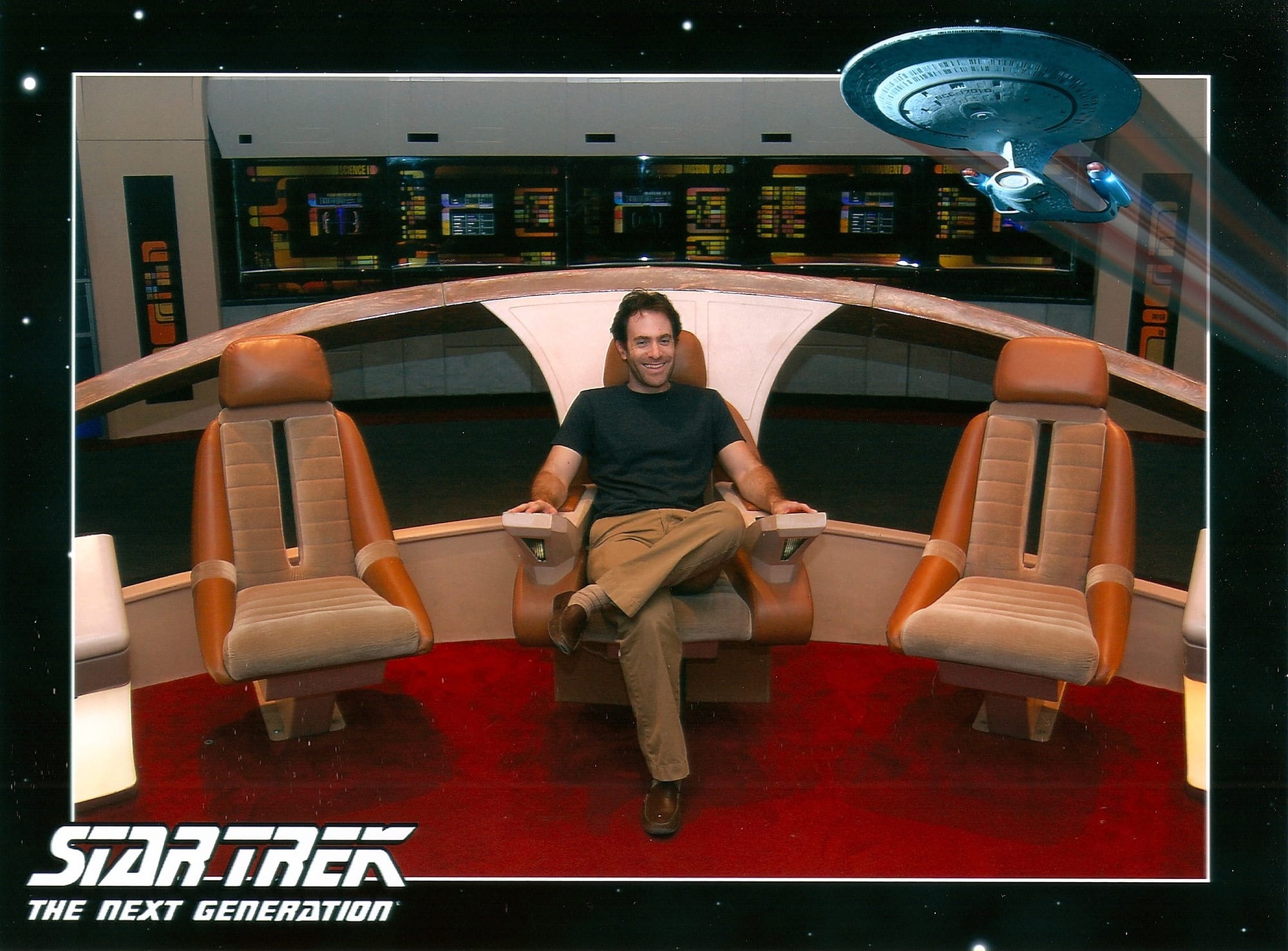
This project is a website, a community, a development incubator, a place to curate our favorite films and shows and talk to the creators—all of the above.
I would love for it to lead to actual productions, but really, I am making it because I feel like I have to. I love these films and shows so much, it is like a biological imperative to go out and say how meaningful they are to me, how much value they’ve added to my life.
And if you feel the same way, it’s important for me to tell you: You are not alone.